The New Operating Model for Asset Management in the Age of Tokenization
Published
2026.07.27
PDF Download
Fill in the required information to download the report.

One of the defining themes of this year's capital markets is AI semiconductors. Exposure to names like Nvidia and SK hynix now trades in tokenized form as well, bought and sold around the clock on large and onchain exchanges. As capital, talent, and products move onchain together, blockchain is becoming not a new asset class for asset managers but a new operating environment.
But for operations teams, the questions are different:
"How does this onchain position enter our fund ledger and accounting?"
"Do onchain balances reconcile with our books at end of day?"
"Is it in a form we can use directly for audit and regulatory reporting?"
Launching a tokenized product is becoming easier. Running it reliably at institutional scale is where the real challenge begins. In this article, we look at how the operating model of asset management changes in an onchain environment, and why validated operational data is becoming an essential part of institutional blockchain operations.
TL;DR:
Tokenization changes the operating model, not the investment universe. The challenge is not issuance speed but how smoothly onchain activity connects to existing operations.
Capital, talent, and products are moving onchain, in that order. Blockchain is becoming an environment to operate in, not just to invest in.
Tokenization solved distribution, but not operations. NAV, accounting, reconciliation, and audit remain.
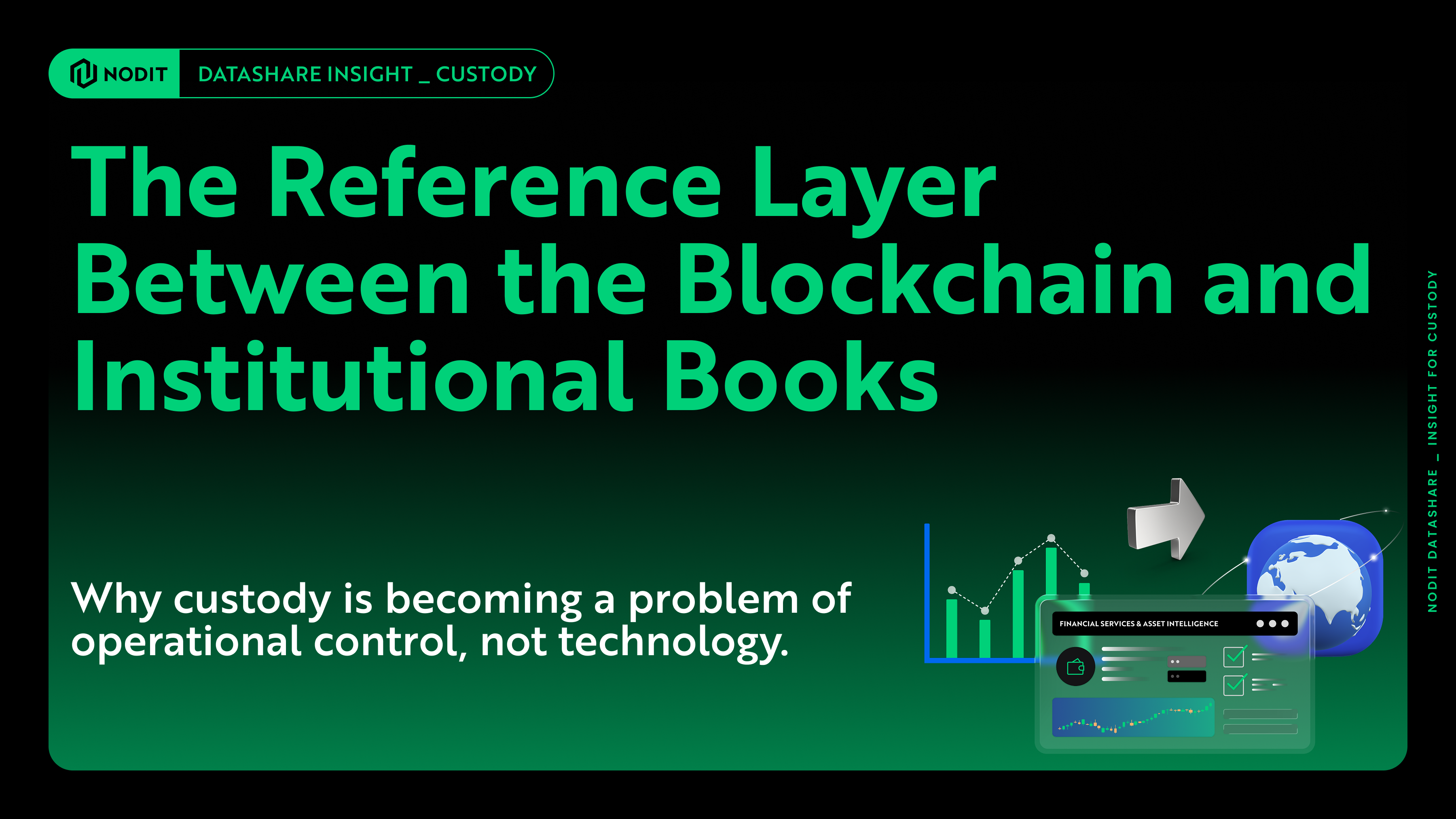
The real challenge is reconciling two reference systems, the existing books of record and the blockchain, and validated onchain data is becoming the foundation for compliant reporting.
![[Presentation Deck] CLAIR: From Traditional Compliance to AI-Powered Operations](https://cms-files.lambda256.io/contents/01M0ES2EVY18X0H05JBEKJJHES/a209ffa2-8040-4dd6-bd8a-3da7b2012891.png)